A good freight forwarder does not just move goods, it secures your whole supply chain.
In a globalised economy, choosing a reliable freight forwarder is a decisive factor in cutting risk, saving time and controlling costs. In Morocco, where flows pass through major hubs such as Tanger Med and Casablanca, the right partner can make all the difference.
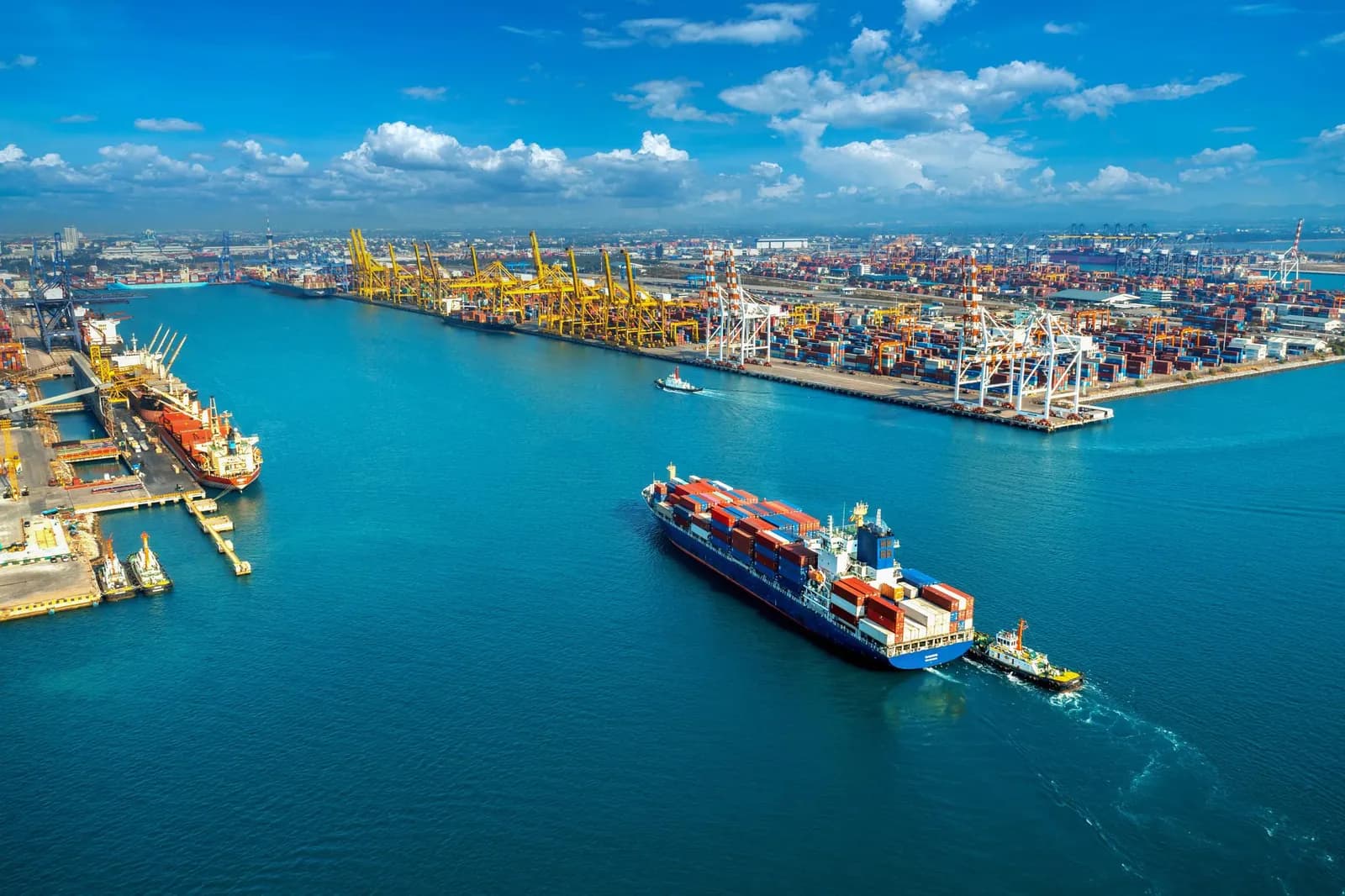
Aerial view of a port loaded with containers and freight vessels.
What is a freight forwarder, and why does it matter?
The freight forwarder coordinates every stage of a shipment: multimodal transport, customs clearance, warehousing and delivery. They also handle the unexpected and make sure everything complies with customs regulations.
Transport
Sea, air or road, depending on urgency and budget.
Customs clearance
Formalities and compliance, so nothing gets held up.
Warehousing
Secure storage and local distribution.
Why work with a freight forwarder in Morocco?
- Local expertise in customs regulations.
- Lower costs and shorter lead times through optimised flows.
- Access to the key infrastructure: ports, airports, road networks.
1. Analyse your logistics needs
Before comparing providers, get your constraints clear: type of goods, volume, frequency, destinations, and how urgent it is.
Nature of the goods
Hazardous, perishable or high-value: each category carries its own requirements.
Frequency and volume
A steady flow calls for negotiated rates and reliable capacity.
2. Assess experience and expertise
A solid freight forwarder can show experience on cases like yours. Ask for concrete examples, certifications and client references.
Moroccan customs
Command of ADII requirements and sector-specific controls.
Your industry
Proven experience with your type of goods.
Complex shipments
The ability to handle multimodal and urgent flows.
3. Look at the services on offer
A complete freight forwarder covers the whole logistics cycle, not just transport.
- Multimodal transport (air, sea, road) for maximum flexibility.
- Full customs handling, so delays do not creep in.
- Warehousing, distribution and cargo insurance.
4. Check certifications and accreditations
AEO (Authorised Economic Operator)
Signals a high level of security and compliance.
ISO 9001
Evidence of quality and controlled processes.
5. Compare pricing transparency and responsiveness
Watch for hidden charges
Ask for an itemised quote: transport, customs, handling, insurance, extras. Transparency is a strong signal of reliability.
Quoted lead times
Check they can actually meet your critical dates.
Handling the unexpected
Ask how delays and hold-ups are dealt with.
6. Check the international network
A well-connected forwarder works with established shipping lines, reliable air carriers and strategically placed warehouses. That is what keeps international routes running smoothly.

Quotes are compared line by line, never on the total
7. Final checklist before you sign
- Verifiable references and recent client reviews.
- An itemised quote, clear terms and SLAs.
- A single point of contact who replies quickly.
- Tracking and reporting processes for your shipments.
FAQs on freight forwarders in Morocco
Which documents are required?
Commercial invoice, packing list, certificate of origin, and any specific authorisations the goods call for.
Can a freight forwarder handle an urgent shipment?
Yes. Most offer express options and closer tracking.
Can I switch forwarder mid-operation?
It is possible, but awkward: it depends how far along your shipment already is.
Articles recommandés

How to check an existing HS code in Morocco (practical guide)
A complete checklist for validating an HS code before you declare it: wording, notes, GRI, taxes, special measures.
How to find your HS code in Morocco in 2026 (manual method vs AI)
A complete guide: manual search in the Integrated Tariff, AI assistance, when to trust it, and the traps to avoid.